Smith, Dickey & Dempster P.A.
3202 N Main St Suite 108, Hope Mills, NC 28348
Bankruptcy attorney · Criminal justice attorney · Divorce lawyer · Family law attorney
Research the setting and state-law questions, then compare factual firm profiles without rankings or implied endorsements.
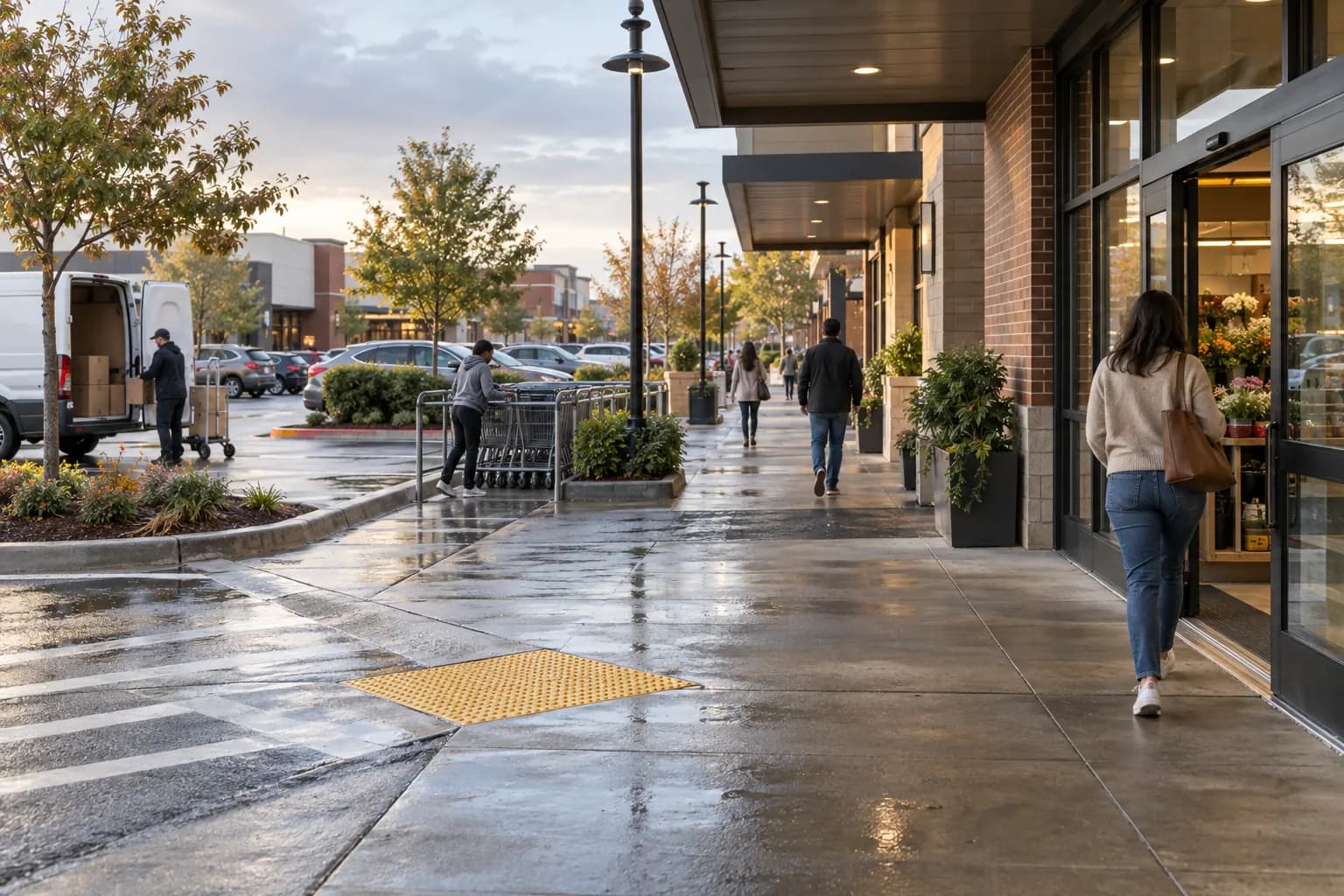
Browse Hope Mills firms“At a store” or “in a car park” is rarely specific enough. Note the entrance, aisle, walkway, curb, weather, time, witnesses, and any incident report before deciding which Hope Mills firms to contact.
Do not begin by assuming a claim category or responsible party. Preserve original records, obtain appropriate medical care, and ask each prospective lawyer how the actual location, people, organizations, and time limits shape the investigation.

Identify the exact Hope Mills entrance, aisle, stair, curb, parking space, or common area. Photograph the condition and wider context if it is safe and lawful to do so.
Keep receipts and incident details, then identify the owner, tenant, manager, cleaner, contractor, delivery operator, or event organizer connected with the precise area.
Note cameras, inspection activity, weather, repairs, warning signs, and witnesses. Ask promptly which records could be overwritten or routinely discarded.
These Injury Law Firms are supplied by the Injury Firm Finder data service. Their placement is not a ranking. Verify the individual lawyer, current license, service area, practice scope, conflicts, staffing, and written fee terms.
3202 N Main St Suite 108, Hope Mills, NC 28348
Bankruptcy attorney · Criminal justice attorney · Divorce lawyer · Family law attorney
For a hypothetical incident at a Hope Mills shop, restaurant, hotel, gym, salon, or parking area, identify the exact threshold, aisle, stair, surface, lighting, and time. Keep receipts and reports; do not assume the brand named on a sign controlled every part of the property.
Property managers, tenants, contractors, and delivery operators may hold different schedules, inspection records, or footage. A lawyer can assess which records are relevant after the precise condition and location are known.
Keep a treatment chronology, provider details, bills and insurance notices, work records, and dated notes about function. These records document events; they do not establish causation or value by themselves.
Preserve the item, packaging, model and serial details, purchase and repair history, instructions, and photographs. Ask before altering or discarding physical evidence.
North Carolina General Statutes § 1-52 provides a three-year period for many personal-injury actions, with separate accrual provisions and exceptions.
Contributory negligence remains a consequential issue in North Carolina. The applicable law and facts should be assessed rather than assuming shared fault merely reduces damages.
G.S. § 67-4.4 imposes liability on the owner of a dog that injures a person or property when the dog meets the statutory “dangerous dog” framework. Not every bite falls within that definition.
The North Carolina Industrial Commission hears qualifying negligence claims against state agencies under the State Tort Claims Act. Local governments and public schools can present different immunity and procedure questions.
The linked primary sources control over this summary. Exceptions, accrual, amendments, immunity, and the specific facts can change the analysis. General information only.
Record the street or facility, exact surface or room, time, activity, nearby landmarks, witnesses, photographs, and every report or receipt. Precision helps identify possible record holders.
Use the same questions for each firm: who would handle the matter, where that lawyer is licensed, whether the firm handles the claim and jurisdiction, how communication works, and how fees and expenses are stated in writing.
No. A directory address does not establish current practice scope, experience, availability, or suitability. Confirm those points directly with the lawyer.
Keep scene photographs, the report number, vehicle and driver information, insurance communications, trip receipts, witness details, medical records, and a dated event and symptom timeline.
Identify the exact condition and property area, retain receipts and photographs, note witnesses and employees contacted, and keep a copy or reference number for any incident report.
G.S. § 67-4.4 imposes liability on the owner of a dog that injures a person or property when the dog meets the statutory “dangerous dog” framework. Not every bite falls within that definition.
The North Carolina Industrial Commission hears qualifying negligence claims against state agencies under the State Tort Claims Act. Local governments and public schools can present different immunity and procedure questions.
Do not assume so. Negotiations and open insurance files usually should not be treated as a filing extension without jurisdiction-specific advice.