Personal injury attorney
Portland, Oregon
Philip M. Lebenbaum
1500 SW 1st Ave #700, Portland, OR 97201
4.0 rating · 4 public reviews+1 503-222-2408
A statewide research path combining Injury Law Firms, city directories, legal-source questions, and evidence planning.
The nearest office is not automatically the right jurisdictional fit. Build a Oregon shortlist around licensing, claim type, county or court questions, investigation needs, and who will actually handle the work.
The directory provides city and town research paths across Oregon. Geographic coverage is a research aid only; it does not measure quality, legal demand, or a firm’s ability to handle a particular matter.
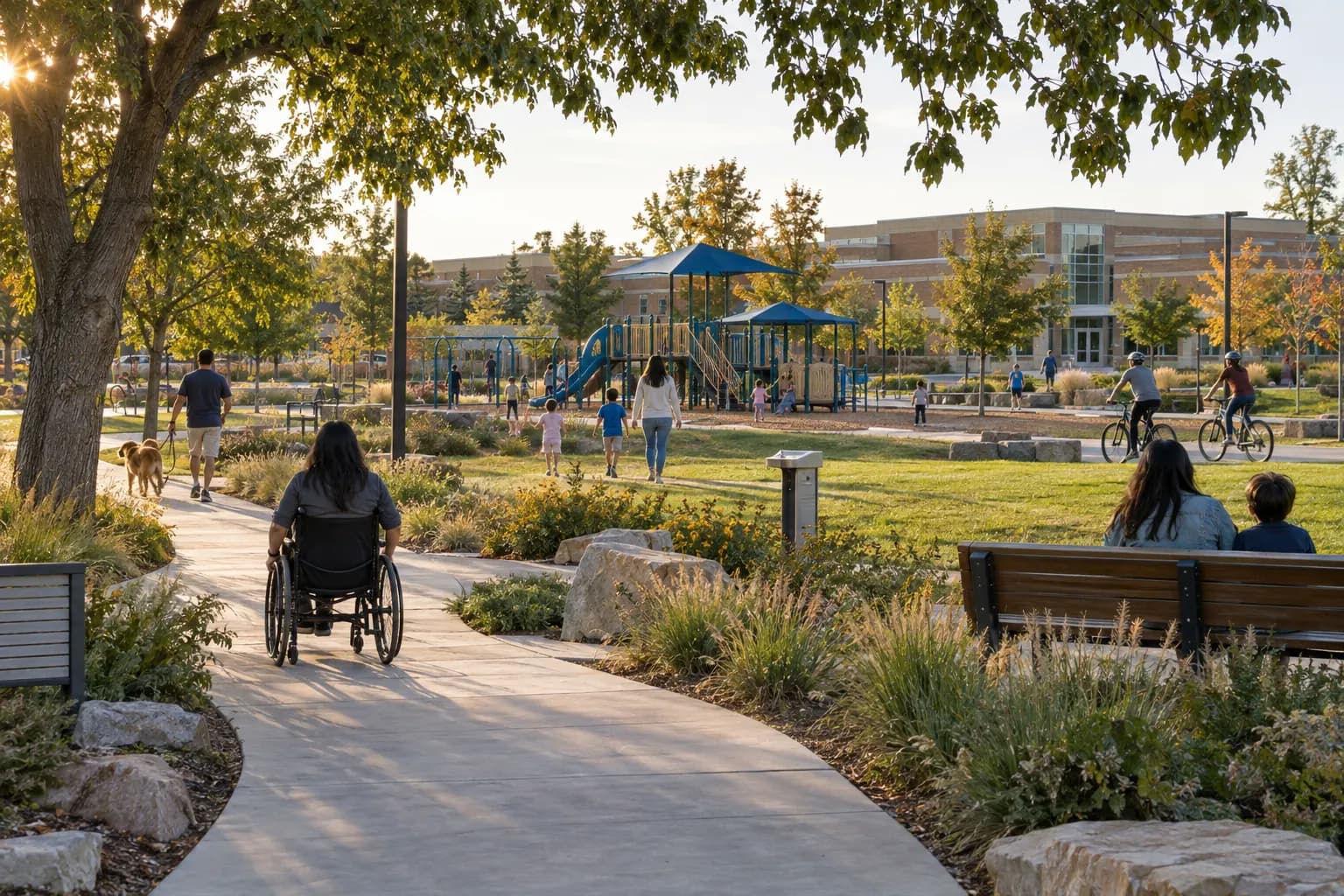
For vehicle collisions, rideshare trips, premises events, dog bites, school activities, or public-space injuries, write down the exact place, activity, possible record holders, medical chronology, and every date before calling firms.
Profiles are factual records, not rankings or endorsements. Verify the individual lawyer’s current license, jurisdiction, practice scope, availability, staffing, conflicts, communication process, and written fee terms.
1500 SW 1st Ave #700, Portland, OR 97201
1050 SW 6th Ave #1100, Portland, OR 97204
Law firm · Attorney · Legal services · Trial attorney
1020 SW Taylor St Suite 888, Portland, OR 97205
1050 SW 6th Ave #1100, Portland, OR 97204
Business attorney · Employment attorney · Law firm
1355 NW Everett St 100 PMB 0009, Portland, OR 97209
1050 SW 6th Ave #1100, Portland, OR 97204
Insurance attorney · Law firm
ORS 12.110 generally places an action for injury to a person or another’s rights, not arising on contract and not specially enumerated, in a two-year category. Specialized claims and statutes can change the period or accrual analysis.
ORS 31.600 allows recovery in a covered action when fault attributable to the claimant is not greater than the combined fault of the persons the statute specifies. Allowed damages are reduced by the claimant’s percentage of fault.
ORS 30.275 generally requires notice within 180 days for a covered non-death claim arising from an act or omission of a public body or its personnel. The statute specifies different wrongful-death timing, notice methods, recipients, exceptions, and a lawsuit deadline.
The linked statutes and official resources control over this summary. Exceptions, accrual rules, amendments, and the facts can change the result. General information only.
Use official sources to identify the current state government, court, licensing authority, and controlling legal text. A firm address or profile does not verify any individual lawyer.
Write a dated event and treatment timeline, identify the incident location and possible parties, collect insurance and report details, then use the same comparison questions for each firm.
No. Location can help investigation and communication, but licensing, jurisdiction, claim experience, staffing, conflicts, and written fee terms also matter.
ORS 12.110 generally places an action for injury to a person or another’s rights, not arising on contract and not specially enumerated, in a two-year category. Specialized claims and statutes can change the period or accrual analysis.
ORS 31.600 allows recovery in a covered action when fault attributable to the claimant is not greater than the combined fault of the persons the statute specifies. Allowed damages are reduced by the claimant’s percentage of fault.
Ask which statute or common-law theory applies, what the owner knew, whether the person was lawfully present, and what animal-control or medical records exist.
ORS 30.275 generally requires notice within 180 days for a covered non-death claim arising from an act or omission of a public body or its personnel. The statute specifies different wrongful-death timing, notice methods, recipients, exceptions, and a lawsuit deadline.
The city index begins with places where the firm data supports a useful local research path. It is not an order of quality, legal demand, or recommendation.
No. It provides factual firm profiles and research paths. Verify licensing and details independently, and obtain advice about the actual facts.
Population figures: U.S. Census Bureau, Vintage 2025. Rhode Island includes towns; Hawaii’s ranking uses 2020 Census CDP counts.